In this intense session at the United Nations, a heated exchange unfolds between diplomats addressing key issues such as the Iran nuclear program, U.S. policies on Cuba, and the plight of Kurdish IDPs in Syria. The conversation highlights the United Nations Security Council's long-standing policy against Iran's nuclear ambitions and debates on the humanitarian aid reaching Cuba. The discussion also touches on the integration of Kurds into the Syrian government and military, alongside concerns over reported attacks on returning Kurdish IDPs. The session underscores the complex geopolitical dynamics and differing perspectives on international aid and policy.
A recent terrorist attack in Jordan, specifically targeting an Orthodox Christian church, has led to significant casualties. King Obdua, dressed in his military fatigues, visited the hospital and reassured the nation that they will fight against this terror. This incident, which has received minimal coverage in Western media, underscores the ongoing presence of Islamism and terrorism in the Middle East. The attack has sparked discussions about the double standards in media coverage and the broader implications for Israel's security policies and international relations. Domestic issues in Israel, including crime rates, economic concerns, and the treatment of ultra-orthodox populations, are also influencing the current election dynamics. Despite the focus on internal matters, Israel remains steadfast in its commitment to not be victimized again.
Treasury Secretary Scott Besson responded to President Obama's recent remarks about the White House resembling a Cheesecake Factory, highlighting the contrast between the modern, minimalist design of the presidential library and the cheerful, nostalgic atmosphere of the popular chain restaurant. Besson emphasized that the Cheesecake Factory, with its extensive menu and welcoming ambiance, represents the preferences of middle America, serving as a treat that people look forward to. He pointed out that Obama's comment seemed to overlook the value that many Americans place on such experiences, further illustrating a perceived disconnect between the President and everyday citizens. Besson's remarks underscored the cultural significance of dining establishments like the Cheesecake Factory in the lives of many families across the country.
Retired Admiral Mark Montgomery discusses the effectiveness of the blockade in the Middle East, noting it has been successful in preventing Iranian crude oil sales and putting economic pressure on Iran. He believes the U.S. should maintain the blockade but be prepared to respond disproportionately if the Iranian regime attacks U.S. or allied interests. Admiral Montgomery supports the deployment of additional ships, including a Marine Expeditionary Force, and emphasizes the importance of maintaining strong military presence in the region. He also suggests taking advantage of the current situation to collaborate with Saudi partners in resolving the crisis.
In this discussion, two Army colonels delve into the concept of information operations, explaining how they are strategic plans designed to influence public opinion and achieve specific goals, such as overthrowing a government. They compare information operations to kinetic operations, emphasizing that the former aims to shape messages rather than using force. The colonels discuss the difficulty of executing such operations in the United States, citing the loyalty of the military, the prevalence of firearms among citizens, and the decentralized nature of law enforcement as factors that make a coup nearly impossible. They also touch on the challenges of executing information operations when the public is aware of them, referencing the 2016 Trump Russia collusion hoax as an example of a failed attempt. The conversation highlights the importance of vigilance and the resilience of democratic institutions against such threats.
Political unrest in France has sparked a national conversation about the potential implications for America. This segment, part of Hugh Hewitt's clips, dives into the comparison between the chaos in France and the political landscape in the United States. Experts discuss how the unrest in France, marked by unrestricted migration and the growth of Islamic ideology, reflects the potential consequences of electing liberal policies. The conversation highlights the stark differences between the French social programs and the American political system, warning that adopting similar policies could lead to a future many Americans wish to avoid. Key figures in the discussion argue that the current state of affairs in France serves as a cautionary tale, urging voters to consider the broader implications of their choices in the upcoming election.
In this segment of Hugh Hewitt's show, a recent report of a Houthi missile aimed at Saudi Arabia being intercepted is discussed. The conversation explores potential provocations that could lead Donald Trump to engage in kinetic warfare with the Houthis and Iranians. Hewitt examines the signals from the current administration and regional developments, suggesting that following the U.S. midterm elections, there could be an opportunity for a sustained proxy conflict. The discussion also touches on the Trump administration's strategic planning and military conversations, particularly those related to Iran, and how the upcoming elections might influence the government's actions. The blockade's impact on Iran's economy is highlighted, along with the need for kinetic action to address missile capabilities and nuclear facilities. The instability caused by the Houthis and their Iranian proxies in Yemen and the broader region is also considered a significant factor in potential military engagements.
In this clip, Hugh Hewitt questions Representative Ilhan Omar about a controversial allegation regarding her ex-husband being her brother. Omar responds diplomatically, stating, "Not to my knowledge," when asked if she believes her ex-husband is her brother. Hewitt challenges her on the origin of the allegation, which she traces back to a Somali blog. This exchange highlights the complexities and sensitivities involved in political discourse, particularly when personal family matters are brought into the public sphere. The discussion reflects on the importance of precise and careful responses in high-stakes political interviews.
Salem News Channel Today
Sponsored Links
Stay Connected With Us!

Choose which email subscriptions interest you most.
Jennings is battle-tested on cable news, a veteran of four presidential >>Jennings is battle-tested on cable news, a veteran of four presidential campaigns, and a former Special Assistant to President George W. Bush. Now, he’s on a mission to arm listeners with common sense, crush liberal narratives, and help shape the . . . . <<
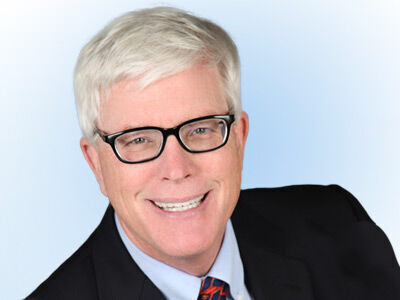
Hugh Hewitt is one of the nation’s leading bloggers and a genuine media >>Hugh Hewitt is one of the nation’s leading bloggers and a genuine media revolutionary. He brings that expertise, his wit and what The New Yorker magazine calls his “amiable but relentless manner” to his nationally syndicated show . . . . <<
Larry Elder personifies the phrase “We’ve Got a Country to Save” The “Sage from >>Larry Elder personifies the phrase “We’ve Got a Country to Save” The “Sage from South Central” is back on the radio and TV! <<
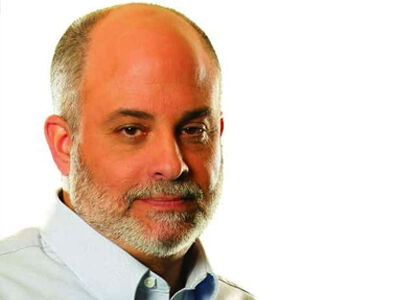
Mark Levin is the host of the fastest growing talk show in the current radio >>Mark Levin is the host of the fastest growing talk show in the current radio landscape. With nearly 150 stations - including 20 of the Top 25 - The Mark Levin Show has become one of the most popular, entertaining, and unique programs in talk radio. <<
In a time when political establishments, globalist bureaucracies, and >>In a time when political establishments, globalist bureaucracies, and multinational corporations dominate so much of life, Alex Marlow offers a strong and independent voice. <<
Salem Media, our partners, and affiliates use cookies and similar technologies to enhance your browsing experience, analyze site traffic, personalize site content, and deliver relevant video recommendations. By using this website and continuing to navigate, you consent to our use of such technologies and the sharing of video viewing activity with third-party partners in accordance with the Video Privacy Protection Act and other privacy laws.Privacy Policy